• Front Page
  • Overview
  • Course Contents
  • Study Guide
  • Module 1
    • 1. Breast cancer epidemiology, aetiology and early detection
    • 2. Breast cancer diagnostic process - the client pathway >
      • QUIZ Breast Canser Diagnostics
    • 3. Breast cancer detection process - the client pathway and health care professionals working in the chain
    • 4. Health care professionals` roles in breast cancer diagnostics >
      • QUIZ Breast cancer epidemiology and diagnostic chain
    • 5. Oncogenetic consultation
    • 6. Psychological, social and physical aspects of early detection of breast cancer >
      • QUIZ Psychosocial, social and physical aspects
    • 7. Breast cancer awareness >
      • 7.1. Education offered by health care professionals
      • 7.2. Reaching out for clients
    • 8. Midwives’ role in early breast cancer detection
  • Module 2
    • 1. Breast anatomy and pathology
    • 2. Patient care
    • 3. Physics and equipment >
      • 3.1. Function and physics
      • 3.2. Read more
      • QUIZ
    • 4. Performing >
      • 4.1. Patient positioning and ergonomy >
        • QUIZ
      • 4.2. PGMI >
        • QUIZ
      • 4.3. Artefacts >
        • QUIZ
    • 5. Radiation safety and dose >
      • 5.1. Radiation safety
      • 5.2. Dosimetry
      • QUIZ
    • 6. Quality assurance and quality control >
      • 6.1. Introduction
      • 6.2. QC tests by radiographer
      • 6.3. Examples of QC tests
      • Read more
      • 6.4. Other QC tests
      • 6.5. QC of displays
      • QUIZ
  • Module 3
    • 1. Digital Breast Tomosynthesis – DBT >
      • QUIZ Digital Breast Tomosynthesis
    • 2. Breast Ultrasound >
      • QUIZ Ultrasound
    • 3. Magnetic Resonance Imaging – MRI >
      • 3.1. The indications for Breast MRI
      • 3.2. Radiographers' roles in breast MRI
      • 3.3. Patient guidance
      • 3.4. Positioning and patient guidance
      • 3.5. Technological principles and the variety of techniques
      • 3.6. Image prosessing
      • 3.7. MRI guided biopsy
      • 3.8. Contrast agents
      • 3.9. Safety issues – including contraindications
      • QUIZ MRI
    • 4. Biopsies >
      • 4.1. Stereotactic Breast Biopsy
      • 4.2. Stereotactic technological principles and image processing
      • 4.3. The role of the radiographer in sampling taking
      • QUIZ Biopsy
    • 5. Biomedical laboratory examinations >
      • QUIZ Immunohistochemistry
      • QUIZ 1. Laboratory diagnostics of breast specimen
      • QUIZ 2. Laboratory diagnostics of breast specimen
    • 6. CEDM >
      • QUIZ CESM
    • 7. Nuclear Medicine >
      • 7.1. Lymphoscintigraphy
      • 7.2. Bone scintigraphy
      • QUIZ Nuclear Medicine
    • 8. Patient experiences >
      • QUIZ Patient experiences
    • 9. Computer Aided Detection - CAD
  • Front Page
  • Overview
  • Course Contents
  • Study Guide
  • Module 1
    • 1. Breast cancer epidemiology, aetiology and early detection
    • 2. Breast cancer diagnostic process - the client pathway >
      • QUIZ Breast Canser Diagnostics
    • 3. Breast cancer detection process - the client pathway and health care professionals working in the chain
    • 4. Health care professionals` roles in breast cancer diagnostics >
      • QUIZ Breast cancer epidemiology and diagnostic chain
    • 5. Oncogenetic consultation
    • 6. Psychological, social and physical aspects of early detection of breast cancer >
      • QUIZ Psychosocial, social and physical aspects
    • 7. Breast cancer awareness >
      • 7.1. Education offered by health care professionals
      • 7.2. Reaching out for clients
    • 8. Midwives’ role in early breast cancer detection
  • Module 2
    • 1. Breast anatomy and pathology
    • 2. Patient care
    • 3. Physics and equipment >
      • 3.1. Function and physics
      • 3.2. Read more
      • QUIZ
    • 4. Performing >
      • 4.1. Patient positioning and ergonomy >
        • QUIZ
      • 4.2. PGMI >
        • QUIZ
      • 4.3. Artefacts >
        • QUIZ
    • 5. Radiation safety and dose >
      • 5.1. Radiation safety
      • 5.2. Dosimetry
      • QUIZ
    • 6. Quality assurance and quality control >
      • 6.1. Introduction
      • 6.2. QC tests by radiographer
      • 6.3. Examples of QC tests
      • Read more
      • 6.4. Other QC tests
      • 6.5. QC of displays
      • QUIZ
  • Module 3
    • 1. Digital Breast Tomosynthesis – DBT >
      • QUIZ Digital Breast Tomosynthesis
    • 2. Breast Ultrasound >
      • QUIZ Ultrasound
    • 3. Magnetic Resonance Imaging – MRI >
      • 3.1. The indications for Breast MRI
      • 3.2. Radiographers' roles in breast MRI
      • 3.3. Patient guidance
      • 3.4. Positioning and patient guidance
      • 3.5. Technological principles and the variety of techniques
      • 3.6. Image prosessing
      • 3.7. MRI guided biopsy
      • 3.8. Contrast agents
      • 3.9. Safety issues – including contraindications
      • QUIZ MRI
    • 4. Biopsies >
      • 4.1. Stereotactic Breast Biopsy
      • 4.2. Stereotactic technological principles and image processing
      • 4.3. The role of the radiographer in sampling taking
      • QUIZ Biopsy
    • 5. Biomedical laboratory examinations >
      • QUIZ Immunohistochemistry
      • QUIZ 1. Laboratory diagnostics of breast specimen
      • QUIZ 2. Laboratory diagnostics of breast specimen
    • 6. CEDM >
      • QUIZ CESM
    • 7. Nuclear Medicine >
      • 7.1. Lymphoscintigraphy
      • 7.2. Bone scintigraphy
      • QUIZ Nuclear Medicine
    • 8. Patient experiences >
      • QUIZ Patient experiences
    • 9. Computer Aided Detection - CAD

MODULE 2. Patient care, breast imaging and quality assurance competences for radiographers


1. Breast anatomy and pathology

Picture
See also:
Breast cancer epidemiology, aetiology and early detection
Oncogenetic consultation

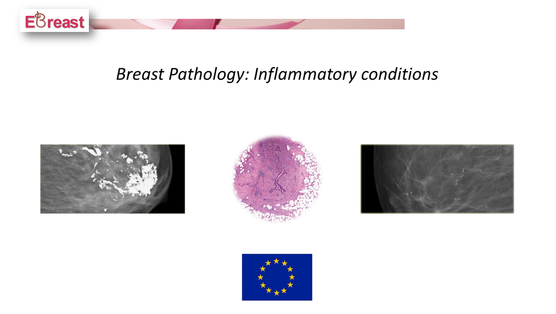
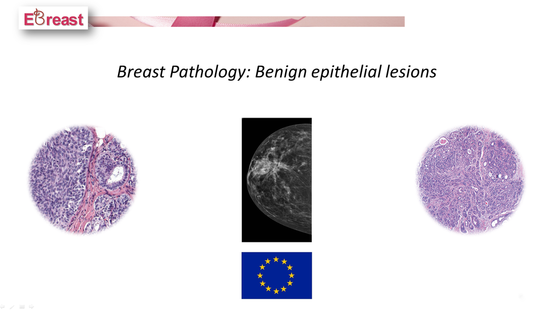
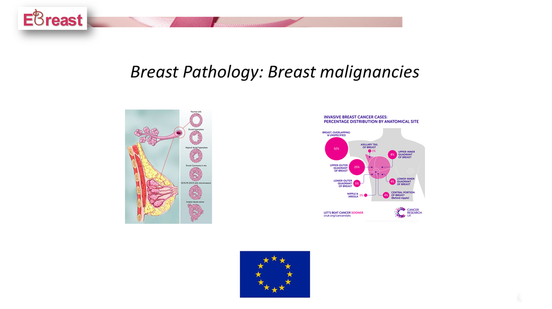
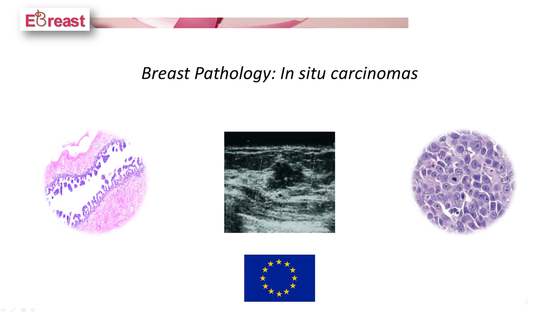
In this topic basic concepts of breast anatomy and pathology will be addressed in order to clarify some questions that arose in the other modules. It includes concepts of inflammatory conditions, benign lesions, in situ and invasive carcinomas and stromal tumours, with annotations of radiological and anatomic pathology findings. The purpose of this topic is to be a consulting guide to use at any time during the EBreast course.

2.1.breast_anatomy_and_histology.zip
File Size: 52766 kb
File Type: zip
Download File


BP1 - Inflammatory conditions

Picture

BP2 - Benign epithelial lesions

Picture

BP3 - Breast Malignancies

Picture

BP4 - In situ carcinomas

Picture

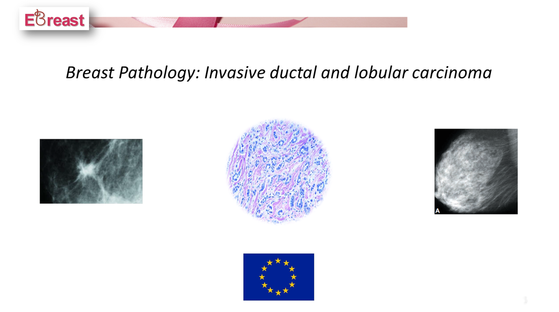
BP5 - Invasive ductal and lobular carsinoma
Picture

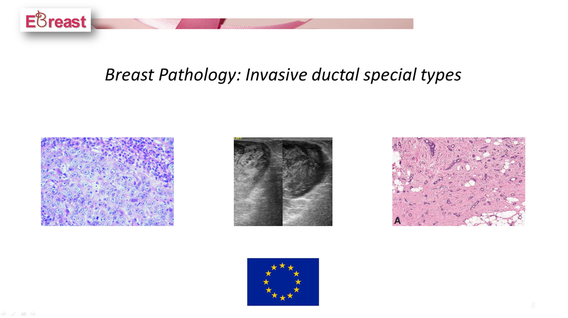
BP6 - Invasive ductal special types

Picture

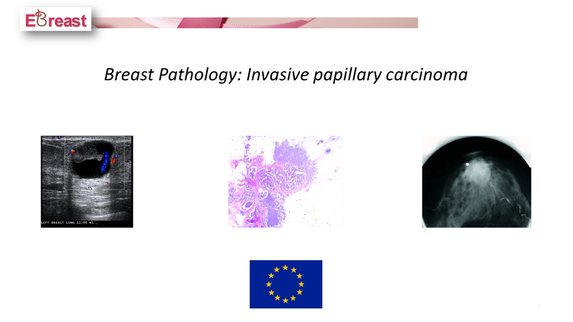
BP7 - Invasive papillary carcinoma

Picture

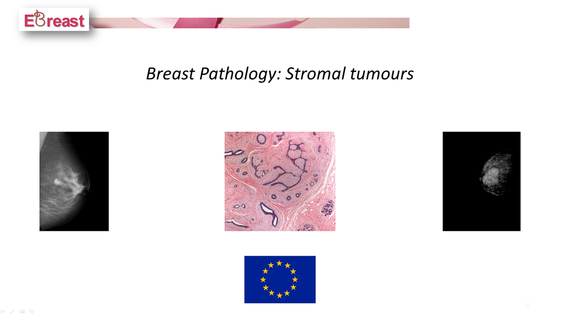
BP8 - Stromal tumours

Picture

<PREVIOUS   NEXT>

Powered by Create your own unique website with customizable templates.
  ebreast
  • Front Page
  • Overview
  • Course Contents
  • Study Guide
  • Module 1
    • 1. Breast cancer epidemiology, aetiology and early detection
    • 2. Breast cancer diagnostic process - the client pathway >
      • QUIZ Breast Canser Diagnostics
    • 3. Breast cancer detection process - the client pathway and health care professionals working in the chain
    • 4. Health care professionals` roles in breast cancer diagnostics >
      • QUIZ Breast cancer epidemiology and diagnostic chain
    • 5. Oncogenetic consultation
    • 6. Psychological, social and physical aspects of early detection of breast cancer >
      • QUIZ Psychosocial, social and physical aspects
    • 7. Breast cancer awareness >
      • 7.1. Education offered by health care professionals
      • 7.2. Reaching out for clients
    • 8. Midwives’ role in early breast cancer detection
  • Module 2
    • 1. Breast anatomy and pathology
    • 2. Patient care
    • 3. Physics and equipment >
      • 3.1. Function and physics
      • 3.2. Read more
      • QUIZ
    • 4. Performing >
      • 4.1. Patient positioning and ergonomy >
        • QUIZ
      • 4.2. PGMI >
        • QUIZ
      • 4.3. Artefacts >
        • QUIZ
    • 5. Radiation safety and dose >
      • 5.1. Radiation safety
      • 5.2. Dosimetry
      • QUIZ
    • 6. Quality assurance and quality control >
      • 6.1. Introduction
      • 6.2. QC tests by radiographer
      • 6.3. Examples of QC tests
      • Read more
      • 6.4. Other QC tests
      • 6.5. QC of displays
      • QUIZ
  • Module 3
    • 1. Digital Breast Tomosynthesis – DBT >
      • QUIZ Digital Breast Tomosynthesis
    • 2. Breast Ultrasound >
      • QUIZ Ultrasound
    • 3. Magnetic Resonance Imaging – MRI >
      • 3.1. The indications for Breast MRI
      • 3.2. Radiographers' roles in breast MRI
      • 3.3. Patient guidance
      • 3.4. Positioning and patient guidance
      • 3.5. Technological principles and the variety of techniques
      • 3.6. Image prosessing
      • 3.7. MRI guided biopsy
      • 3.8. Contrast agents
      • 3.9. Safety issues – including contraindications
      • QUIZ MRI
    • 4. Biopsies >
      • 4.1. Stereotactic Breast Biopsy
      • 4.2. Stereotactic technological principles and image processing
      • 4.3. The role of the radiographer in sampling taking
      • QUIZ Biopsy
    • 5. Biomedical laboratory examinations >
      • QUIZ Immunohistochemistry
      • QUIZ 1. Laboratory diagnostics of breast specimen
      • QUIZ 2. Laboratory diagnostics of breast specimen
    • 6. CEDM >
      • QUIZ CESM
    • 7. Nuclear Medicine >
      • 7.1. Lymphoscintigraphy
      • 7.2. Bone scintigraphy
      • QUIZ Nuclear Medicine
    • 8. Patient experiences >
      • QUIZ Patient experiences
    • 9. Computer Aided Detection - CAD
  • Front Page
  • Overview
  • Course Contents
  • Study Guide
  • Module 1
    • 1. Breast cancer epidemiology, aetiology and early detection
    • 2. Breast cancer diagnostic process - the client pathway >
      • QUIZ Breast Canser Diagnostics
    • 3. Breast cancer detection process - the client pathway and health care professionals working in the chain
    • 4. Health care professionals` roles in breast cancer diagnostics >
      • QUIZ Breast cancer epidemiology and diagnostic chain
    • 5. Oncogenetic consultation
    • 6. Psychological, social and physical aspects of early detection of breast cancer >
      • QUIZ Psychosocial, social and physical aspects
    • 7. Breast cancer awareness >
      • 7.1. Education offered by health care professionals
      • 7.2. Reaching out for clients
    • 8. Midwives’ role in early breast cancer detection
  • Module 2
    • 1. Breast anatomy and pathology
    • 2. Patient care
    • 3. Physics and equipment >
      • 3.1. Function and physics
      • 3.2. Read more
      • QUIZ
    • 4. Performing >
      • 4.1. Patient positioning and ergonomy >
        • QUIZ
      • 4.2. PGMI >
        • QUIZ
      • 4.3. Artefacts >
        • QUIZ
    • 5. Radiation safety and dose >
      • 5.1. Radiation safety
      • 5.2. Dosimetry
      • QUIZ
    • 6. Quality assurance and quality control >
      • 6.1. Introduction
      • 6.2. QC tests by radiographer
      • 6.3. Examples of QC tests
      • Read more
      • 6.4. Other QC tests
      • 6.5. QC of displays
      • QUIZ
  • Module 3
    • 1. Digital Breast Tomosynthesis – DBT >
      • QUIZ Digital Breast Tomosynthesis
    • 2. Breast Ultrasound >
      • QUIZ Ultrasound
    • 3. Magnetic Resonance Imaging – MRI >
      • 3.1. The indications for Breast MRI
      • 3.2. Radiographers' roles in breast MRI
      • 3.3. Patient guidance
      • 3.4. Positioning and patient guidance
      • 3.5. Technological principles and the variety of techniques
      • 3.6. Image prosessing
      • 3.7. MRI guided biopsy
      • 3.8. Contrast agents
      • 3.9. Safety issues – including contraindications
      • QUIZ MRI
    • 4. Biopsies >
      • 4.1. Stereotactic Breast Biopsy
      • 4.2. Stereotactic technological principles and image processing
      • 4.3. The role of the radiographer in sampling taking
      • QUIZ Biopsy
    • 5. Biomedical laboratory examinations >
      • QUIZ Immunohistochemistry
      • QUIZ 1. Laboratory diagnostics of breast specimen
      • QUIZ 2. Laboratory diagnostics of breast specimen
    • 6. CEDM >
      • QUIZ CESM
    • 7. Nuclear Medicine >
      • 7.1. Lymphoscintigraphy
      • 7.2. Bone scintigraphy
      • QUIZ Nuclear Medicine
    • 8. Patient experiences >
      • QUIZ Patient experiences
    • 9. Computer Aided Detection - CAD